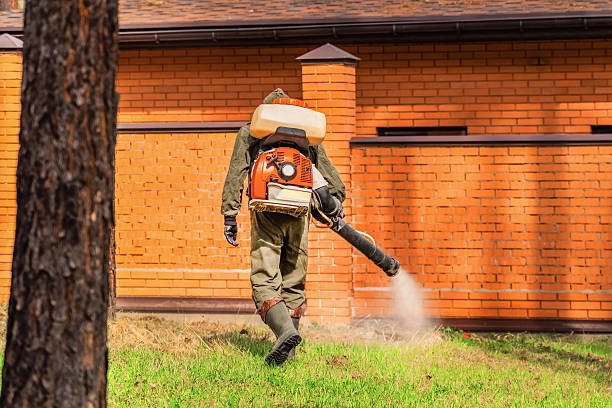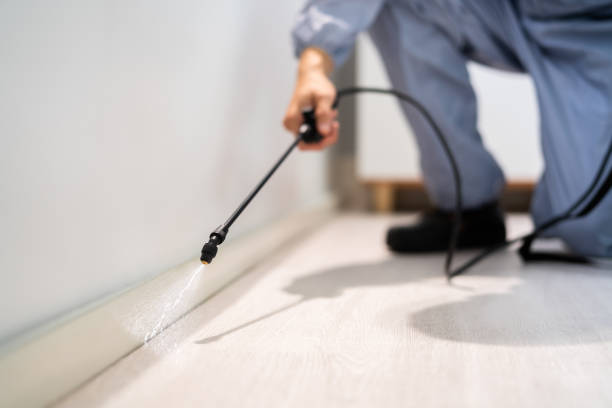
Barrier sprays reduce adult pressure for 21 to 30 days. Unaddressed larval sources in standing water replenish the adult population every 7 to 14 days. Show Me Pest Control's Freeman program reduces both -- and shows you which water sources to eliminate between visits.
Standing water -- gutters, containers, low-lying depressions
Subsurface in standing water -- feeding, developing
Pre-adult stage -- still in standing water, not yet flying
The mosquitoes you see and feel -- only 5% of the problem
Four core service elements that work as a system, not a single product applied and called done.
Larval Source Identification -- We walk your property and identify every standing water source where mosquitoes are actively breeding: blocked gutters, low-lying depressions that hold water after rain, ornamental ponds, tarps, containers, children's play equipment, and tree hollows. Most properties have 5 to 12 larval sources the homeowner has not identified. We document every one.
Professional adulticide applied to mosquito resting vegetation gives you 3 to 4 weeks of adult knockdown per treatment. We target the actual resting locations -- shaded vegetation within 2 feet of the ground, underbrush edges, deck and pergola undersides, and fence lines adjacent to neighbor vegetation.
We treat water features that cannot be drained with Bti-based larvicide -- a biological product registered for use near fish and wildlife. The larvae never reach adulthood. The adult treatment handles the rest.
Recurring Seasonal Programs Built Around Your Property -- A single treatment reduces adult pressure for 3 to 4 weeks. A monthly or bi-monthly program maintains that pressure reduction through the full mosquito season. We build the schedule around your specific property's larval source pressure and your peak outdoor use period.
The mosquito lifecycle is the central issue in any mosquito control program. Eggs are deposited in standing water -- not ponds necessarily, but any water that persists for 7 or more days. A bottle cap, a container lid, the crease of a tarp, the depression where a lawn settles low -- all of these are viable breeding sites. Larvae develop in the water column over 7 to 14 days and emerge as adults. The adults you contact are the ones resting in your vegetation. But the adults you contact today were larvae in standing water on your property or a neighboring property two weeks ago. Until those water sources are addressed, the larval pipeline continues producing new adults regardless of what is sprayed on the vegetation.
How the barrier spray works matters for managing expectations about how long it lasts. The residual adulticide is applied to low vegetation -- the places where resting adults contact treated surfaces during their inactive hours. The product breaks down from UV exposure, rain, and temperature cycling. Under normal seasonal conditions in Freeman, SD, a professionally applied residual lasts 21 to 30 days before the active compound degrades below effective concentration. That is why monthly programs are standard: the treatment schedule is aligned to the residual lifespan so that each application is made before the previous one expires. A program that skips a month during peak mosquito season allows the larval pipeline to replenish the adult population after the residual expires.
Still getting bitten after a barrier treatment in Freeman? Call +1-866-315-0243. We treat the adults and the larvae -- and show you which standing water sources to address between visits.
The standing water sources that produce the most mosquitoes are frequently not visible from ground level. Gutters are consistently the largest single source on residential properties -- the water is warm, organic-rich, and undisturbed, making it ideal for mosquito development. Properties with clogged gutters may be producing thousands of adults per week from the gutters alone. Low spots in the lawn that hold water for 5 to 7 days after rain, drainage edges along fence lines, containers in landscape beds, and any item that holds even a small amount of water are all breeding sites. We locate them all, address what we can, and document what you can address between visits.
From a public health standpoint, professional mosquito management in Freeman, SD is not simply about outdoor comfort -- it is a recognized disease prevention strategy. Culex mosquitoes in Freeman, SD carry West Nile virus. The risk from any individual bite is low, but cumulative seasonal exposure to an unmanaged mosquito population represents a different calculation than managed, below-threshold exposure. A sustained seasonal program that keeps adult populations consistently low from early spring through late summer significantly reduces the number of exposure events compared to a single pre-event treatment or no treatment at all. Show Me Pest Control's approach -- regular pressure reduction combined with larval source management -- is the standard protocol public health professionals recommend for residential mosquito programs.
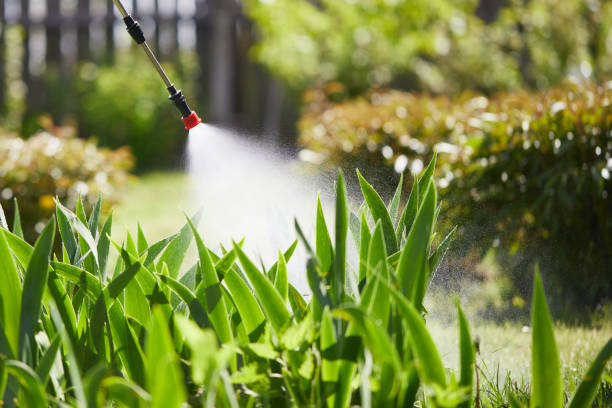
We locate your larval sources, assess adult resting zones, and explain both halves of the treatment plan before starting.
Call +1-866-315-0243Six services covering adult knockdown, larval source treatment, and recurring seasonal programs.
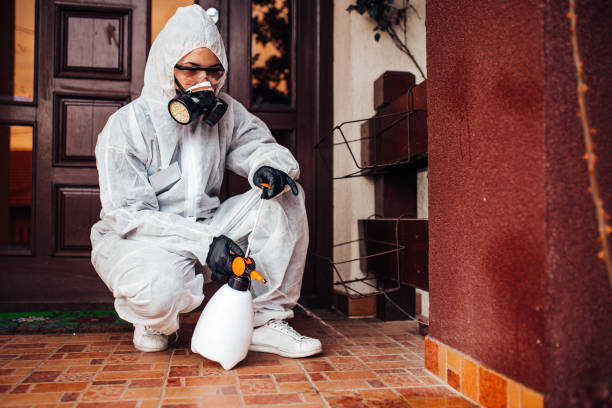
Full property walk to identify every standing water source where mosquitoes are actively breeding. All sources documented, larvicide applied where removal is not possible, elimination guidance provided for the rest.
We treat where adults actually are, not where they fly. Low shaded vegetation within two feet of the ground is the target zone.
Bti-based biological larvicide applied to ornamental ponds, water features, drainage basins, and any standing water source that cannot be drained. Kills larvae before they reach adulthood without harming fish, birds, or pollinators.
Monthly program timing ensures each treatment is applied before the residual from the previous one expires -- continuous below-threshold adult pressure through the season.
Single-visit barrier treatment applied 24 to 48 hours before an outdoor event. Knocks down adult mosquitoes in the vegetation and provides residual coverage for the duration of the event and several days beyond.
For properties in areas of Freeman, SD with deer tick or lone star tick pressure -- tick and mosquito combined programs provide efficient coverage for both pests.
Clear process, explained at every step.
Every standing water source identified and documented. Adult resting vegetation zones assessed. Larvicide applications and source eliminations planned before treatment begins.
Professional residual adulticide applied to low vegetation, underbrush, fence lines, and deck soffits. Current adult population knocked down, 21 to 30 day residual provides coverage through the treatment window.
Bti-based biological larvicide applied to ornamental ponds, drainage features, and standing water that cannot be drained. Source elimination guidance provided for water sources that can be addressed by the homeowner.
We schedule the return before leaving. No calling back to book -- the program is in place from day one.
Customers who experienced the two-part protocol for the first time after previous services that treated only one half of the problem.
Three summers of unusable backyard. Two previous spray companies. Show Me Pest Control found the larval sources the other companies never looked for -- 7 of them -- and treated every one. Monthly program, outdoor time restored.
We had a graduation party in the backyard -- 60 people, evening in June. Called Show Me Pest Control 5 days before. They came out 2 days before the event. Not one person mentioned mosquitoes at a 4-hour outdoor evening party in Freeman, SD in June. That is remarkable. We signed up for the full season program after that.
The ornamental pond was the whole problem. Show Me Pest Control treated it with biological larvicide on the first visit, treated the vegetation, and showed me how to maintain the pond between their visits. The pond is not going anywhere -- but the mosquitoes it was producing are gone.
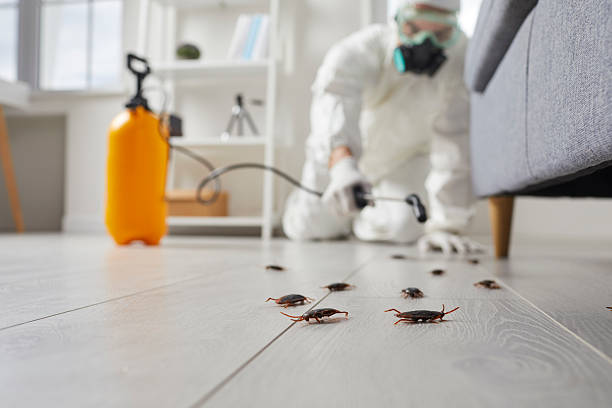
We find the sources, treat both halves, and schedule your seasonal program. Call +1-866-315-0243.
Call +1-866-315-0243